India’s Persistent Food Inflation Amid Global Stability
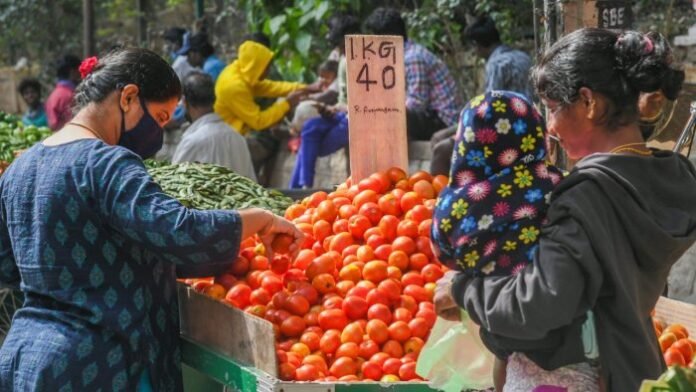
India’s food inflation has remained consistently high over the past two years, diverging sharply from the global trend where food prices have generally remained stable or declined. This persistent inflation is highlighted in the latest Economic Survey, tabled in Parliament on 31st January 2025. According to the survey, the primary cause of this anomaly is the increasing frequency of extreme weather events, which have disrupted agricultural supply chains and severely impacted crop yields.
Impact of Extreme Weather on Agricultural Production
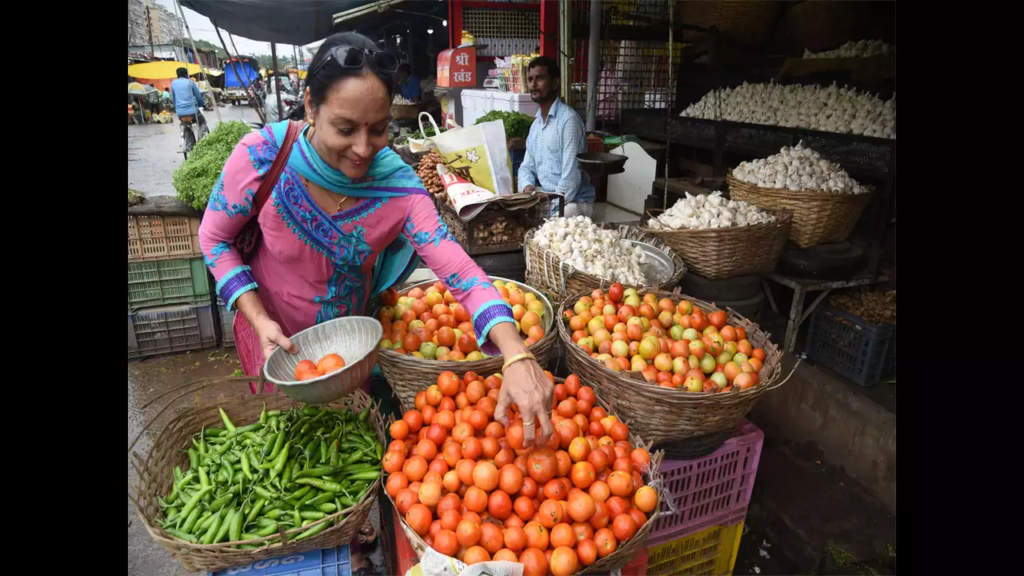
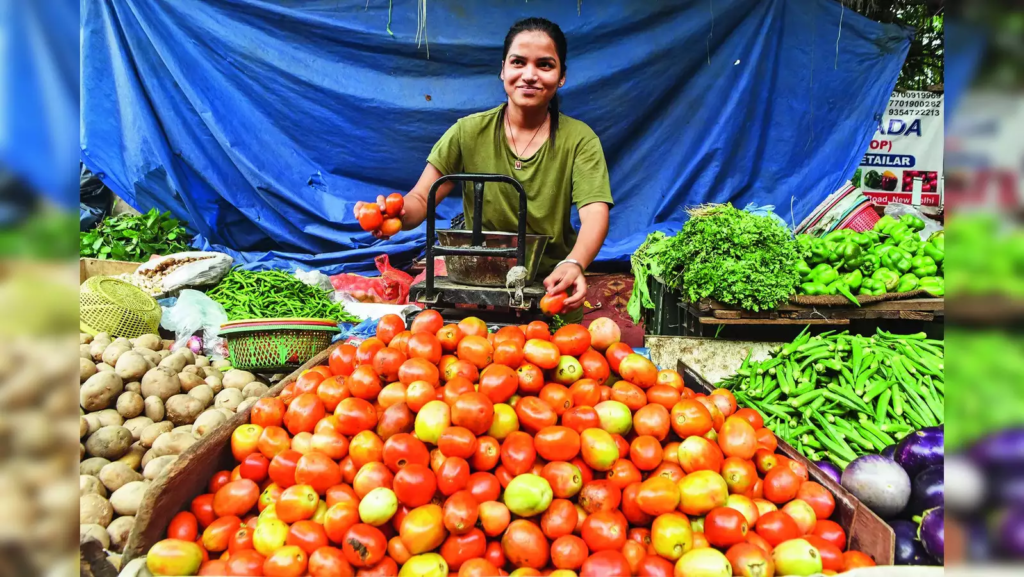
A major factor contributing to India’s food inflation is the significant reduction in the production of essential vegetables such as onions and tomatoes. The past two years have seen weather-related disruptions in critical agricultural states, leading to a decrease in harvests. In particular, the survey noted that extreme weather conditions during the 2023-24 period damaged crops in key horticulture-producing regions, causing inflationary pressures on essential food items. These disruptions have had a direct impact on food prices, especially for items that form the core of everyday meals for Indian households.
Increased Crop Damage and Climate Change Effects
The Economic Survey cites alarming data from the Centre for Science and Environment, revealing that the total crop area damaged in 2024 was higher than in the preceding two years due to extreme weather events. This increased crop loss reflects a broader pattern of climate-related disruptions. The India Meteorological Department (IMD) also reported a sharp rise in heatwaves, noting that extreme heat events occurred on 18% of days between 2022 and 2024, a significant increase compared to just 5% in the 2020-21 period. These intense climate changes have had a profound effect on agricultural productivity, exacerbating food inflation.
Global Factors and Eased Geopolitical Tensions
While the report acknowledges that external factors, such as geopolitical tensions and international trade disruptions, have contributed to price fluctuations in the past, it highlights that the impact of these factors has eased in recent times. As a result, the variations in commodity prices are less driven by global issues and more by domestic agricultural challenges, particularly those stemming from climate disruptions.
Government Measures for Long-Term Price Stability
To combat these challenges and ensure long-term price stability, the government has proposed several key measures. These include:
- Development of Climate-Resilient Crops: The government aims to support the creation of crops that can withstand extreme weather conditions, helping to stabilize production even in the face of climate change.
- Enhancement of Price-Monitoring Systems: By improving market tracking and monitoring systems, the government intends to gain better control over price fluctuations and reduce volatility in the food market.
- Reducing Crop Damage: The government plans to introduce agricultural reforms and practices aimed at reducing crop damage caused by extreme weather events, ensuring higher yields and lower costs.
- Minimizing Post-Harvest Losses: Efforts will be focused on reducing losses that occur after harvesting, which contribute significantly to food inflation.
By addressing these critical areas, the government hopes to mitigate the effects of climate disruptions on agriculture, leading to more stable and affordable food prices in the future.